Glitter Dirt Mom of Both SVG: An Embroidery Review
As a professional embroidery designer and product reviewer, I approach every new digital asset with a healthy dose of skepticism. When I first opened the Glitter Dirt Mom of Both - SVG Design, my immediate thought was about translation. We all know that what looks vibrant on a screen does not always translate cleanly to thread and fabric. This design sits at the intersection of modern parenting humor and rustic aesthetic, a combination that is incredibly popular in the Crafts category right now. However, for those of us running a craft business or managing an Etsy shop, the question isn't just "is it cute?" but "will it stitch out professionally without causing production headaches?"
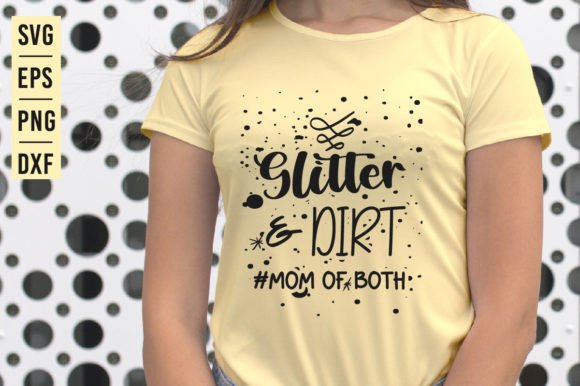
My first impression of this machine embroidery design is that it carries a distinct visual personality. The juxtaposition of "glitter" and "dirt" suggests a playful chaos that resonates deeply with mothers of both boys and girls. Visually, the layout feels balanced, which is crucial for centering on garments. As a piece of Graphics intended for multiple applications, it has strong bones. It doesn't feel overly cluttered, which is often the downfall of novelty designs. For a handmade product, clarity is king; customers need to read the sentiment from a distance, whether it’s on a sweatshirt embroidery project or a smaller accessory.
Real-World Application: The Custom Tote Bag Test
To truly evaluate this embroidery file, I mentally placed it into a real-life production scenario. Let’s say I am fulfilling a custom order for a "Mom Survival" tote bag. Canvas totes are staples for Etsy sellers and make excellent personalized gifts. In this context, the Glitter Dirt Mom of Both - SVG Design needs to perform against a textured, natural cotton background.
When stitching this onto canvas, the primary concern is coverage. Canvas has a loose weave, and if the stitch density in the digital file is too light, the fabric will show through, making the finished product look cheap. Conversely, if the design is too dense, it can cause puckering or needle breaks. This specific design appears versatile enough to handle the weight of a tote bag, provided you use the correct stabilizer. I would recommend a medium-weight cutaway stabilizer to support the design structure without adding excessive bulk. The result should be a crisp, readable message that elevates the perceived value of the bag beyond a simple novelty item.
Versatility Across Apparel and Accessories
One of the strongest selling points listed for this asset is its adaptability. It is marketed for t-shirts, hoodies, long sleeves, mugs, and bags. From a production standpoint, this versatility is vital for maintaining brand consistency across different product lines. If you are creating a matching set of custom apparel for a mom group or a holiday collection, having a single digital embroidery file that scales well is a massive time saver.
For sweatshirt embroidery, specifically on fleece or French terry, the design’s bold elements should anchor well. Fleece tends to swallow fine details, so the robust nature of this graphic works in your favor. However, when moving to lighter items like baby onesies or tea towels, caution is required. While the description mentions it can be resized, you must verify the integrity of the satin stitch columns after scaling down. If the letters become too narrow, they may turn into running stitches or cause tunneling. Always check your software’s preview before sending a resized version to your machine.
Navigating Fabric Challenges and Technical Limits
No embroidery project exists in a vacuum, and this design requires careful consideration regarding fabric choice. Where should you use this carefully? Stretchy fabrics like performance knits or thin jersey are high-risk zones. The contrast between the likely fill areas of the "dirt" elements and the potential satin outlines requires stable tension. On stretchy material, without adequate stabilization, the design could distort the garment shape.
Additionally, consider dark fabrics. If the design relies heavily on light-colored threads to depict the "glitter" aspect, testing on black or navy fabric is mandatory. You may need to add a white underlay or adjust thread colors to ensure the design pops rather than disappearing into the background. For curved surfaces like caps, the horizontal span of the design matters. If the text extends too far left or right, it will curve off the cap's center panel. In such cases, this Glitter Dirt Mom of Both - SVG Design might be better suited as an embroidered patch that is stitched flat and then applied to the hat, rather than stitched directly onto the curved surface.
Professional Presentation and Commercial Value
For small shop products and commercial sellers, the visual appeal of your listing photos is just as important as the physical stitch-out. This design lends itself beautifully to printable mockups. Because it is an SVG, you can create clean, vector-based previews for your online store before you even thread your needle. This helps gauge customer interest and reduces waste.
However, buyer engagement relies on trust. A professional finish signals quality. When using this design for commercial embroidery, ensure that the final product reflects the same polish as the digital mockup. Inspect small details closely; are the corners sharp? Is the lettering legible? Does the "glitter" effect translate through thread sheen or metallic threads, or does it rely solely on color blocking? Understanding these nuances ensures that your finished product meets customer expectations. A well-executed version of this design can become a signature item for holiday embroidery collections or Mother’s Day specials, driving repeat business through recognizable branding.
Essential Designer Notes Before You Stitch
Before you load this embroidery file for a client order or personal project, run through this practical checklist. These steps separate hobbyists from professionals:
- Test on Scrap Fabric First: Never stitch a new design directly onto a sellable garment. Use a scrap of the exact fabric and stabilizer combination you plan to use for the final tote bag design or apparel piece.
- Verify Licensing: The product description states it is ready to print and edit, but always confirm the specific license terms regarding selling finished physical items versus reselling the digital file itself. Protect your craft business by knowing your rights.
- Check Thread Contrast: View the design in black and white within your embroidery software. This reveals whether the values are distinct enough to be readable without relying solely on color differences.
- Inspect Small Details: Zoom in to 100% or higher. Look for tiny jumps, overlapping stitches, or text that is too small to stitch clearly. If necessary, edit the design to remove problematic elements before hooping.
- Confirm Hoop Size: Ensure the design fits comfortably within your hoop with adequate margin for the presser foot. Crowding the hoop edges leads to registration errors and poor tension.
- Evaluate Stabilizer Needs: Match the stabilizer to the fabric weight, not just the design size. A heavy design on light fabric needs more support than the same design on denim.
The Glitter Dirt Mom of Both - SVG Design offers a fantastic opportunity for makers to tap into a relatable niche. Its strength lies in its emotional connection to the target audience and its adaptability across various media. By approaching it with technical mindfulness and respecting the limitations of thread and fabric, you can transform this digital graphic into a high-quality, profitable addition to your product lineup. Whether you are crafting a personalized gift for a friend or stocking your shelves for the busy season, this design has the potential to deliver both charm and commercial viability when executed with care.