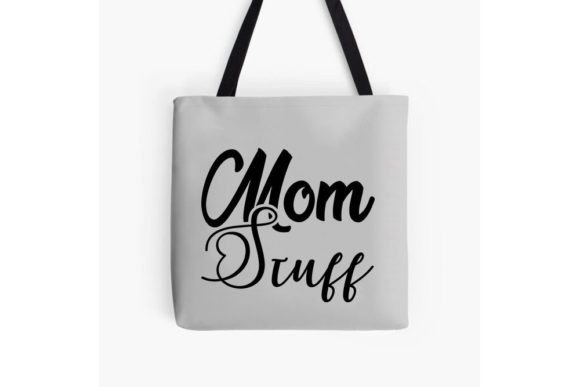
Mom Stuff Tote Bag SVG: An Embroidery Design Review
When evaluating digital assets for a craft business, the difference between a mediocre listing and a bestseller often lies in the technical execution of the source file. As a designer who regularly tests machine embroidery design files before committing them to production, I approached this "Mom Stuff" graphic with a critical eye. While marketed primarily as a tote bag design, its utility extends far beyond canvas carriers. For Etsy sellers and makers, understanding how this specific embroidery file translates from screen to stitch is essential for maintaining product quality and customer trust.
First Impressions and Visual Hierarchy
Upon opening the ZIP file containing EPS, SVG, PNG, and DXF formats, the immediate strength of this asset is its clear visual hierarchy. In the world of Graphics intended for fabrication, clarity is king. The typography in "Mom Stuff" strikes a balance between playful and legible, avoiding overly ornate script that often turns into a thread nest on fabric. The layout feels intentional rather than cluttered, suggesting it was digitized with physical output in mind rather than just print.
For a handmade product, mood matters. This design evokes a sense of organized chaos and maternal pride without being saccharine. It fits perfectly into the modern aesthetic preferred by millennial parents and boutique shoppers. When I review design assets, I look for versatility; this graphic has enough negative space to allow for customization—perhaps adding a child’s name below or incorporating an applique design element like a heart or star—without losing its core identity.
Real-World Application: The Canvas Tote Test
To truly evaluate this tote bag design, I mentally simulated a production run for a custom order. Imagine preparing a personalized gift for a new mother or stocking inventory for a craft fair. Canvas totes are unforgiving; they have a distinct fabric texture that can swallow fine details. Because this SVG features bold lines and adequate spacing, it is well-suited for the coarse weave of standard 10oz or 12oz cotton canvas.
In a real-life scenario, such as creating merchandise for a mom group or a baby shower favor, this design performs reliably. If using a satin stitch for the lettering, the width appears sufficient to prevent tunneling on heavier fabrics. However, if you plan to use a fill stitch to reduce stitch count and production time, the open areas of the letters provide excellent coverage without excessive density. This balance is crucial for commercial embroidery where machine runtime directly impacts profit margins. A dense design might take 45 minutes to stitch; a well-digitized version of this could potentially be optimized to run significantly faster while maintaining visual impact.
Versatility Across Apparel and Home Goods
While labeled for tote bags, experienced makers know that a good digital embroidery file must be adaptable. I see strong potential for this design in sweatshirt embroidery. The casual, blocky nature of the text complements the relaxed fit of unisex crewnecks. Unlike intricate floral patterns that can distort on knit fabrics, this typographic approach is more forgiving on stretchy materials, provided you use the correct stabilizer.
Furthermore, consider the baby embroidery market. Scaling this design down for a bib or burp cloth requires careful attention to detail. The SVG format allows for lossless resizing, but you must verify that internal counters (the holes in letters like 'o' or 'e') remain open after scaling. For holiday embroidery projects, such as Christmas gift sacks or Mother’s Day tea towels, the design serves as an excellent base. You could easily swap thread colors to match seasonal palettes without altering the file structure, making it a high-value asset for year-round sales.
Technical Constraints and Fabric Considerations
No design is universal, and professional judgment requires acknowledging limitations. Here is where you should exercise caution with this "Mom Stuff" asset:
- Stretchy Fabrics: On performance wear or thin jersey knits, the weight of the stitches may cause puckering. Always test on scrap fabric first with a cut-away stabilizer.
- Curved Surfaces: If adapting this for caps or curved tote gussets, the horizontal span may need adjustment. Text that looks straight flat can appear distorted when wrapped around a cylinder.
- Dark Fabrics: Ensure your thread colors offer high contrast. White or cream thread on navy canvas reads beautifully, but pastel threads on dark backgrounds may require a white underlay base to pop.
- Small Hoop Sizes: If reducing the design for a 4x4 hoop, inspect the smallest serifs or decorative elements. They may need to be simplified to prevent needle breaks or thread bunching.
- Frequent Washing: For items like kitchen towels or baby clothes destined for hot water cycles, avoid long floating stitches. Secure all jumps and ensure adequate tie-ins to prevent unraveling over time.
Impact on Product Value and Brand Perception
The choice of embroidery project files directly influences perceived value. Customers associate clean stitching with professionalism. A design that registers poorly or has uneven stitch density signals amateur work, regardless of the garment quality. This "Mom Stuff" graphic, with its balanced proportions, supports a premium price point because it photographs well in printable mockups and delivers satisfaction in the finished product.
For Etsy sellers and small shop product lines, consistency builds brand recognition. Using cohesive graphics across different mediums—from an embroidered patch to a full-size tote—creates a unified collection. This design’s neutral yet expressive style allows it to anchor a product line without competing with other elements. It enhances buyer engagement because it solves a specific emotional need: celebrating motherhood with practical style.
Designer Notes for Successful Execution
Before loading this file into your machine, adhere to these professional best practices to ensure your finished product meets commercial standards:
- Verify File Compatibility: The ZIP includes EPS, SVG, PNG, and DXF. Confirm which format your specific embroidery software or machine requires. Do not assume automatic conversion preserves stitch data; always check the digital preview.
- Test Stitch Density: Run a sew-out on scrap material identical to your final product. Check the back of the embroidery; excessive bobbin thread showing on top indicates tension issues or density problems specific to that fabric.
- Mockup Validation: Create black and white test prints or digital previews to evaluate contrast independent of color. If the design lacks definition in grayscale, it will likely fail on low-contrast fabric combinations.
- Licensing Compliance: Crucially, review the license terms included with the purchase. Confirm whether you are permitted to sell physical custom apparel or if the license restricts usage to personal projects. Never assume commercial rights for digital product resale unless explicitly stated.
- Stabilizer Selection: Match your backing to the fabric, not just the design. A heavy canvas tote needs tear-away; a lightweight onesie needs poly-mesh cut-away. The right stabilizer makes even a simple design look expert.
Ultimately, this "Mom Stuff" SVG represents a solid foundation for Crafts entrepreneurs. It balances aesthetic appeal with technical feasibility, making it a reliable choice for both seasoned decorators and emerging makers. By respecting the material constraints and testing thoroughly, you can transform this digital file into a tangible product that resonates with customers and stands up to the rigors of daily mom life.